The Perpetua Forma editorial — long-form writing on furniture. Use the filters below to narrow by studio, photographer, material or year.
Filter by , , , or .
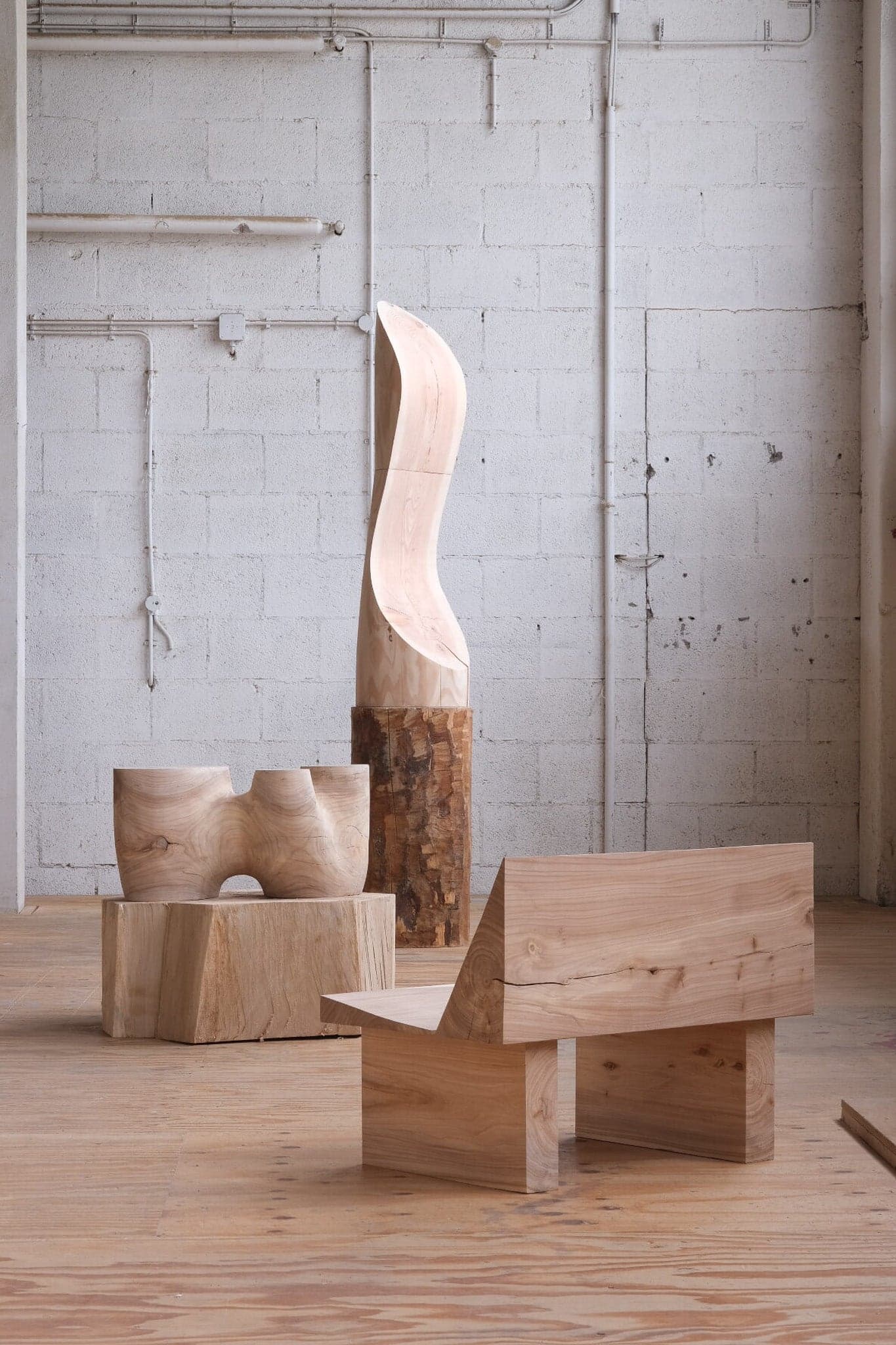
Exhibited works
Finnish-born designer Jonas Lutz creates objects of bold simplicity and elegant solutions, often with a tacit playfulness. His objects instantly reveal a continuous search for the novel and undiscovered. Simplicity of form is well balanced with a gentleness that invites the touch and a modesty which speaks of a deep comprehension of materials and a desire to elevate their qualities.Jonas finds inspiration in Nordic furniture traditions as well as in the lively design culture of his adopted country of the Netherlands. Fueled by an upbringing in a creative milieu his instinct and sensibility in the work with materials intimates that of a sculptor’s act. This act is much replicated in the way he gives himself design briefs triggering investigations of materials and concepts, often inspired by objects of use in his home.Jonas Lutz studio is located in Rotterdam, the Netherlands. He studied at the Carl Malmsten furniture school in Stockholm, Sweden, and has a bachelor in design from the Design Academy in Eindhoven, the Netherlands. ^Text by Otherprojections The inaugural exhibition at the Huidenclub in Rotterdam featured the work of Jonas Lutz. The showcased collection primarily featured objects created during his residency at Atelier Van Lieshout the previous year. Alongside these pieces, a selection of new works highlighted the ongoing evolution of his creative journey.Set against the raw, industrial backdrop of the Huidenclub, Lutz's pieces found a harmonious context that accentuated their materiality and form. Each object invited viewers to reflect on the intersection of craftsmanship and conceptual exploration, challenging conventional perceptions of functionality and design.Jonas Lutz's work has has gained international recognition, having been featured in collaborations with Isabel Marant and displayed at the prestigious Vitra Haus in Basel. More of his designs and projects can be explored on his website here.
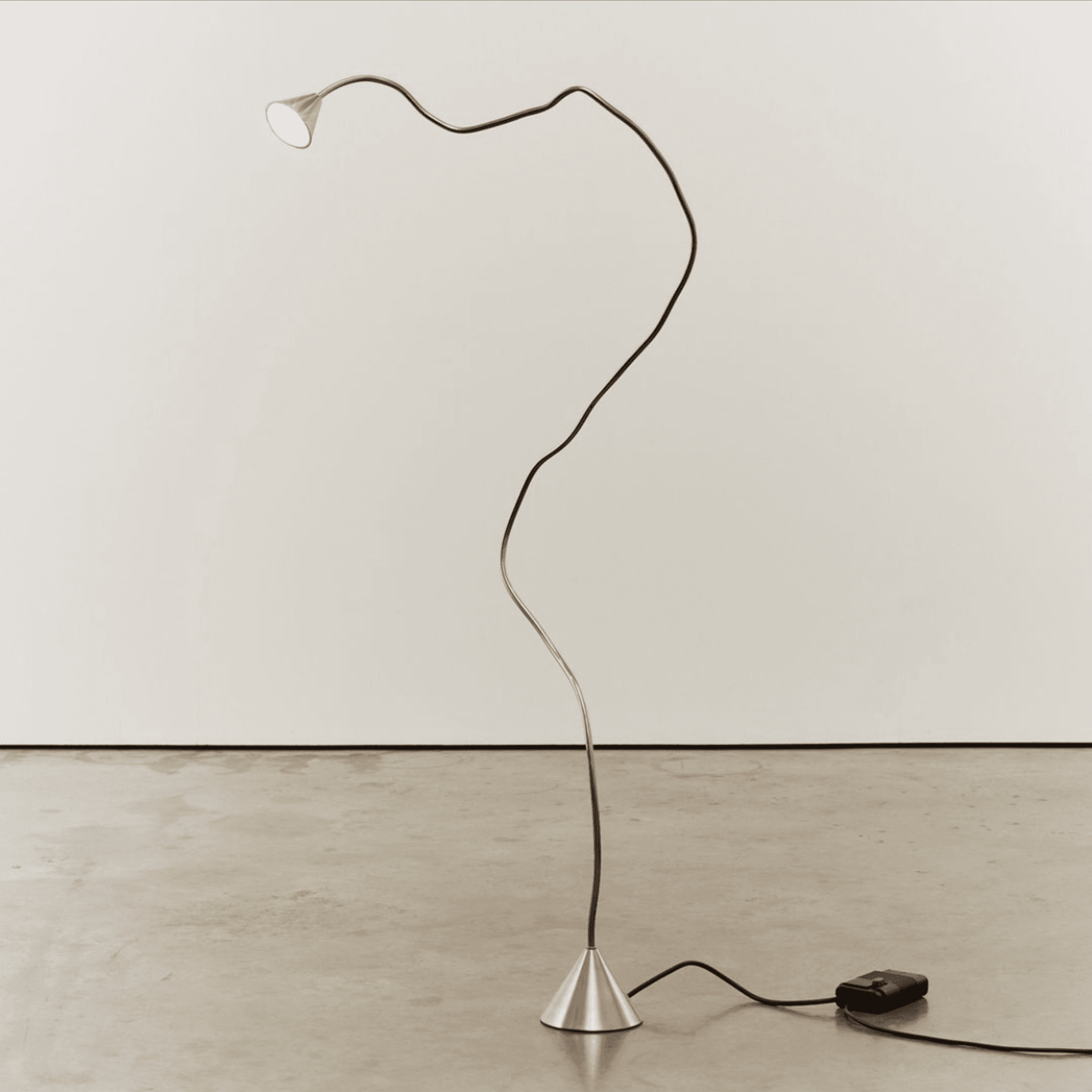
Papiro Lamp
Designed by Sergio Calatroni, an eclectic personality divided between art, design and architecture, the Papiro floor lamp embodies an enchanting mix of form and flexibility. With its distinctive, organic silhouette, Papiro is designed to be more than a light source—it is a sculpture for the home. The nickel finish complements its sinuous shape, creating a striking balance between industrial material and fluid form. Its unique, malleable design allows the lamp to be shaped and adjusted at will, making it an endlessly adaptable element within a space. Whether casting a gentle glow or standing in graceful repose, Papiro captures the eye as a poetic expression of light and movement, bridging the realms of functional design and expressive art.The lamp is currently manufactured by italian furniture brand Pallucco and is for sale over here.
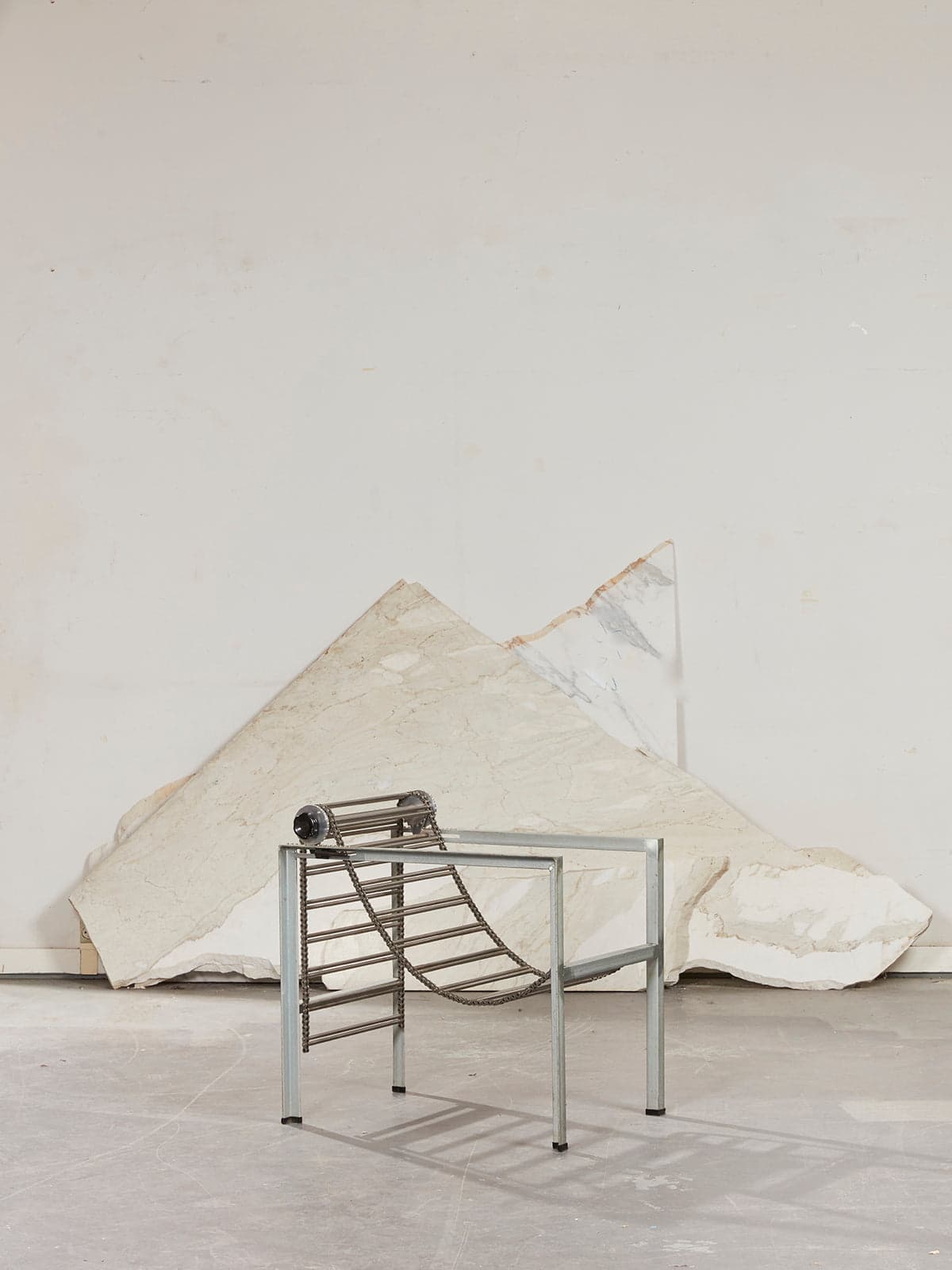
Comme des Garçons’ furniture collection
In the 1980s, Paolo Pallucco emerged as a pioneering figure in contemporary furniture design, though his initial impact came from reviving early modernist classics. Born in Rome in 1950 and trained as an architect, he brought forgotten icons like the Fortuny floor lamp, Robert Mallet-Stevens' 222 chair, and René Herbst’s Sandows chair back into production. However, his ambitions extended beyond reproduction—Pallucco was drawn to the idea of furniture as a platform for artistic exploration.This creative shift gained momentum when he began designing original pieces, often in collaboration with his then-wife Mireille Rivier. While Rivier grounded his more radical impulses, Pallucco’s partnerships extended to influential figures such as Comme des Garçons founder Rei Kawakubo. As design expert Boris Bourdet notes1, "I think that Paolo Pallucco always had a strong interested in design, but after reissuing design classics he met Rei Kawakubo and started producing her furniture for Comme des Garçons.“ This marked his full transition into contemporary design. For Pallucco, furniture was more than function—it was a conceptual statement. His designs often featured industrial materials and exaggerated forms that played with ideas of modernist minimalism while subverting its core principles. Poetry, photography, religion, and cinema all influenced his work, as seen in the Stalker chair—a steel and polyurethane foam piece with three precarious legs, directly inspired by Andrei Tarkovsky’s 1979 film Stalker. War was another recurring theme: the Tankette coffee table (1987) referenced tank tracks, the Barba d’Argento armchair (1986) suggested a machine gun, and the Bocca da Fuoco coat rack (1987) evoked an exploding cannon. Pallucco’s furniture disrupts modernist ideals of pure functionalism, offering an ironic critique of the relationship between war and modernist design. Pallucco’s encounter with Kawakubo in the early 1980s led to one of his most defining collaborations. After visiting a Comme des Garçons store in Tokyo, he and Rivier were struck by its radical aesthetic. Introduced to Kawakubo through a mutual friend, Pallucco soon began producing furniture for Comme des Garçons stores. His pieces, characterized by stark industrialism, aligned perfectly with the avant-garde sensibilities of the brand. One standout creation was a series of triangular nested tables made from steel and stone, set on caster wheels for easy reconfiguration in the store’s dynamic retail environment. Through his unconventional approach, Pallucco helped redefine the boundaries of furniture design. His collaboration with Comme des Garçons demonstrated a shared commitment to challenging norms, cementing his legacy as a visionary whose influence continues to resonate in contemporary design.
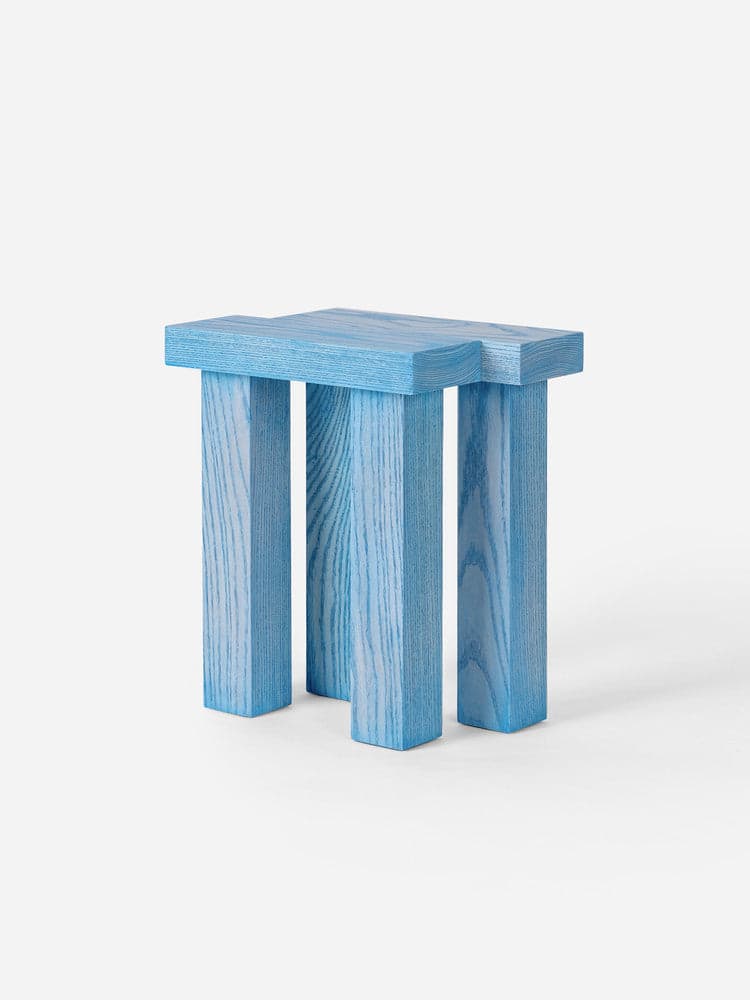
Elements Stool
엘리먼츠 시리즈는 재료의 질감과 다양한 마감 방식을 탐구하며, 각 재료들을 실험적으로 조합하여 제작된 시리즈입니다. 서로 어긋난 요소들의 조합은 어색해 보일 수 있지만, 공간 안에서 다양한 오브제들과 조화를 이루며 예상하지 못한 새로움을 발견합니다.엘리먼츠 스툴은 가볍게 앉거나 작은 사물을 올려두기에 적당한 형태를 가지고 있습니다. 단독으로 사용하거나 다른 시리즈와 결합하여 다양한 연출이 가능합니다. The Elements series explores the texture of materials and various finishing methods, and is a series created by experimentally combining each material. The combination of mismatched elements may seem awkward, but in harmony with various objects in the space, unexpected newness is discovered.The Elements stool has a shape suitable for sitting lightly or placing small objects on it. It can be used alone or combined with other series to create a variety of looks.The stool is for sale on Oryu Elements’ website over here.
Reflector Lamp
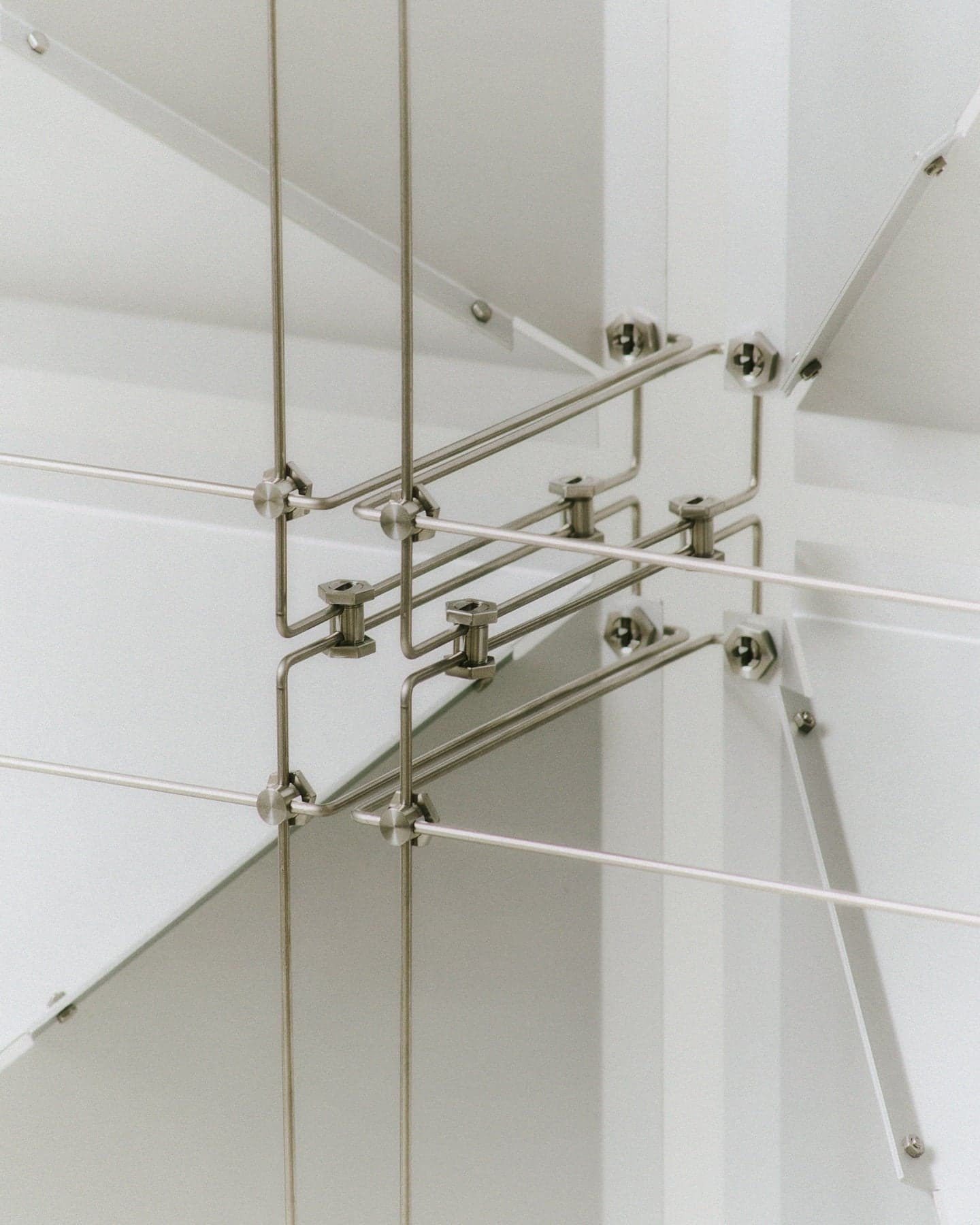
The work of Copenhagen based design duo Frederik Gustav shifts across various functions, scales and contexts to create objects and installations that merge design, architecture and art. Focusing on the joy and excitement experienced through experimentation into building and construction techniques, their work transfers these emotions to the user through sensory objects that play with function, composition and materiality. The duo’s own curiosity towards materials such as wood is evident through exposed structures that retain and highlight the techniques that produce them. They utilise craftsmanship as an expression of narrative, illuminating stories centered around context of place, societal tendencies or notions of beauty. The process of each project assists in initiating the next, creating a strong structural and aesthetic language across their body of work. Operating from their workshop on the island of Amager, their practice is made up of Frederik Weber and Gustav Dupont. ^Text by Nikolai Kotlarczyk ^ Reflector (Photography by ©Peter Vinther) Frederik Gustav designed the Reflector light installation as a contribution to the Værktøj 1 exhibition, which took place at Gothersgade 30 and concluded on October 18, 2024. Reflector is a versatile lighting fixture that combines bent steel wires with aluminum screens. Its modular structure, connected by small, precise joints, allows it to be configured in various arrays, transforming from a single lamp into a large-scale installation with architectural impact. Visually, the aluminium sheets of Reflector evokes the aesthetic of a speaker system, playing with structure and light to create a dynamic presence in any space.